The landscape of IT infrastructure is rapidly evolving, driven by technological advancements and changing business needs. For businesses that depend on IT managed services in places like Singapore, staying updated with these trends is crucial for maintaining a competitive edge. In this article, we’ll explore three major trends shaping the future of IT infrastructure—Cloud Computing, Edge Computing, and beyond.
The Rise of Cloud Computing
What is Cloud Computing?
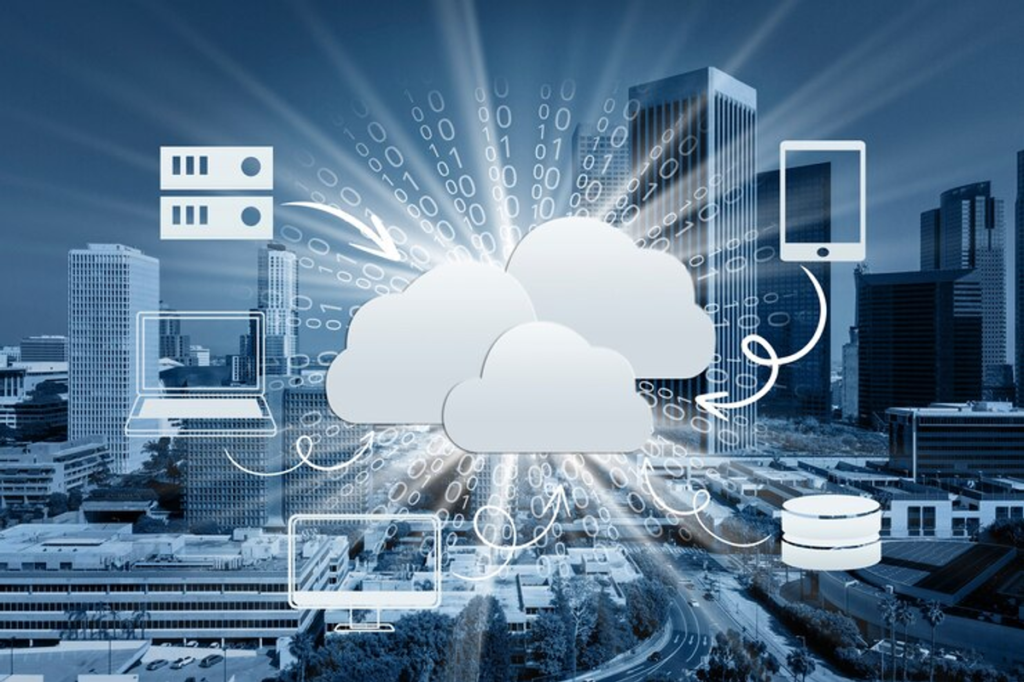
Cloud computing has revolutionized the way businesses operate by offering scalable, on-demand access to computing resources. Instead of investing heavily in physical servers and data centers, organizations can now leverage cloud services to store data, run applications, and manage IT workloads.
Benefits of Cloud Computing
- Scalability: Cloud services allow businesses to scale their infrastructure up or down based on demand, ensuring they only pay for what they use.
- Cost-Efficiency: By eliminating the need for physical hardware, cloud computing reduces capital expenditures and lowers maintenance costs.
- Accessibility: With cloud computing, employees can access data and applications from anywhere, facilitating remote work and collaboration.
Trends in Cloud Computing
- Hybrid Cloud Solutions:
Many businesses are adopting hybrid cloud models, combining private and public clouds to optimize flexibility and control.
- Serverless Computing:
Serverless architectures like AWS Lambda enable developers to build and deploy applications without managing servers, leading to faster development cycles and reduced operational overhead.
- AI and Machine Learning:
Cloud platforms are increasingly integrating AI and machine learning capabilities, allowing businesses to leverage advanced analytics and automation without significant investments.
The Emergence of Edge Computing
What is Edge Computing?
Edge computing brings computation and data storage closer to the devices where data is generated, rather than relying on centralized data centers. This approach reduces latency and improves the performance of real-time applications.
Benefits of Edge Computing
- Reduced Latency:
By processing data locally, edge computing minimizes the time it takes for data to travel between devices and data centers.
- Enhanced Security:
Storing and processing data at the edge reduces the exposure to potential cybersecurity threats.
- Improved Reliability:
Localized data processing ensures that applications continue to function even if the central cloud is inaccessible.
Trends in Edge Computing
- IoT Integration:
The Internet of Things (IoT) is driving the adoption of edge computing, as connected devices generate massive amounts of data that need real-time processing.
- 5G Technology:
The rollout of 5G networks is accelerating edge computing adoption by providing faster and more reliable connectivity.
- Edge AI:
Combining edge computing with AI enables businesses to deploy intelligent applications that can analyze data and make decisions in real-time.
Beyond Cloud and Edge Computing
The Role of IT Managed Services
IT managed services play a critical role in helping businesses adopt and manage these emerging technologies. Providers of IT managed services in Singapore, for example, offer expertise in cloud migration, cybersecurity, and infrastructure management, ensuring that businesses can focus on their core operations.
Emerging Technologies
- Quantum Computing:
Although still in its early stages, quantum computing has the potential to solve complex problems much faster than classical computers, revolutionizing fields such as cryptography, drug discovery, and financial modeling.
- Blockchain:
Beyond cryptocurrencies, blockchain technology is being explored for its potential to enhance security, transparency, and efficiency in various industries, including supply chain management and healthcare.
- AI and Automation:
The ongoing advancements in AI and automation are transforming IT infrastructure management, enabling predictive maintenance, automated workflows, and enhanced decision-making.
The Future of IT Infrastructure
The future of IT infrastructure will likely be a blend of cloud and edge computing, augmented by emerging technologies such as quantum computing and blockchain. Businesses that stay ahead of these trends and leverage IT managed services will be well-positioned to thrive in an increasingly digital world.
Conclusion
The rapid evolution of IT infrastructure presents both challenges and opportunities for businesses. By understanding and adapting to trends in cloud computing, edge computing, and beyond, organizations can enhance their efficiency, security, and innovation. Partnering with IT managed services providers, especially in tech-savvy regions like Singapore, can further ensure a smooth and successful transition to these new technologies.Are you ready to transform your IT infrastructure? Learn more about our IT managed services and how we can help your business stay ahead of the curve.