
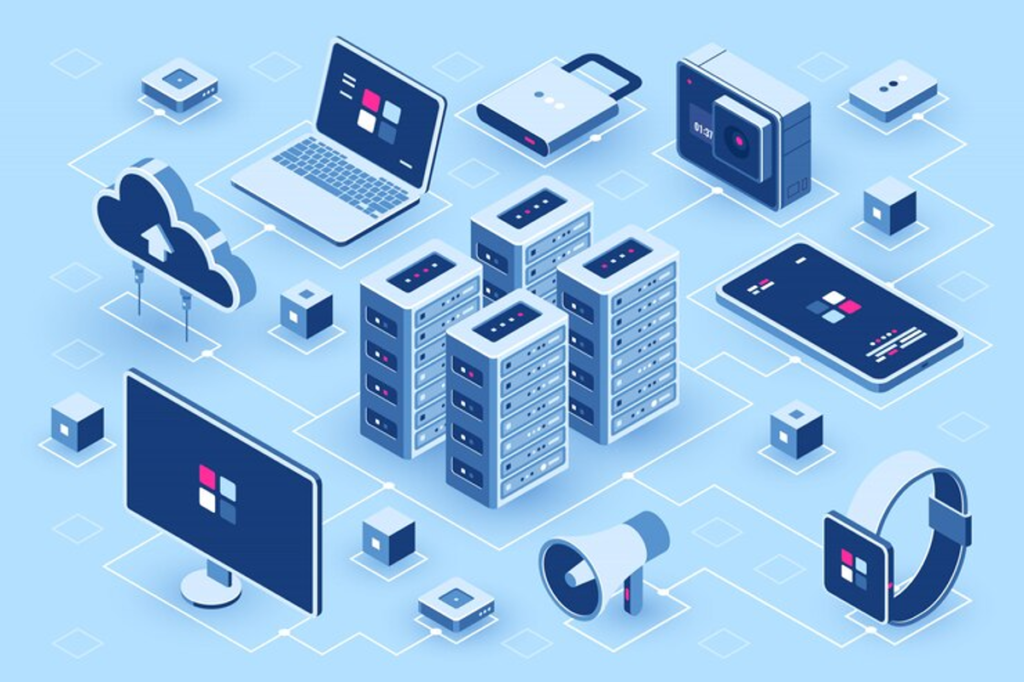
In today’s digital era, a well-optimized IT infrastructure is not just a competitive advantage— it’s a necessity. For IT managers and small to medium-sized enterprise (SME) business owners, ensuring that your IT systems are efficient, scalable, and secure can significantly impact your overall business performance. This guide will walk you through the essential components of IT infrastructure optimization and offer best practices to help you stay ahead of the curve.
Key Components of IT Infrastructure
1. IT Managed Services
IT Managed Services provide continuous monitoring and management of your IT environment. These services ensure that your systems are always up-to-date, secure, and running smoothly. Key benefits include:
- Proactive Maintenance: Regular updates and patches to prevent issues before they occur.
- Remote Monitoring: 24/7 surveillance of your IT systems to detect and resolve issues quickly.
- Scalability: Easily scale your IT resources up or down based on your business needs.
- Cost Management: Reduce operational costs by outsourcing IT management to experts.
2. IT Infrastructure
Your IT infrastructure encompasses all the hardware, software, networks, and facilities that support your IT services. Key components to focus on include:
- Servers and Storage: Ensure you have robust servers and storage solutions that can handle your data loads efficiently.
- Network Infrastructure: Optimize network performance with high-speed connections and reliable hardware.
- Cloud Integration: Leverage cloud services for flexibility, scalability, and cost-efficiency.
- Security Measures: Implement strong security protocols to protect your data and IT assets.
3. Professional IT Managed Services
Engaging professional IT managed services can bring a wealth of expertise and experience to your organization. Key advantages include:
- Strategic Planning: Develop long-term IT strategies aligned with your business goals.
- Custom Solutions: Tailored IT solutions that meet your specific needs and challenges.
- Compliance Management: Ensure your IT practices comply with industry standards and regulations.
- Disaster Recovery: Implement robust disaster recovery plans to minimize downtime and data loss.
Best Practices for IT Infrastructure Optimization
1. Regular Assessments
Conduct regular assessments of your IT infrastructure to identify areas for improvement. This includes evaluating hardware performance, software efficiency, and network reliability.
2. Adopt Automation
Implement automation tools to streamline repetitive tasks, such as software updates, backups, and monitoring. Automation not only saves time but also reduces the risk of human error.
3. Enhance Security
Strengthen your IT security by regularly updating your security protocols, implementing multi-factor authentication, and conducting security audits. Ensure that all employees are aware of cybersecurity best practices.
4. Leverage Cloud Services
Integrate cloud services into your IT infrastructure for greater flexibility and scalability. Cloud solutions can also enhance collaboration and reduce the need for on-premises hardware.
5. Focus on Scalability
Design your IT infrastructure with scalability in mind. Choose solutions that can grow with your business, allowing you to easily add or remove resources as needed.
6. Invest in Training
Provide ongoing training for your IT team to keep them updated on the latest technologies and best practices. A well-trained team is essential for maintaining an optimized IT infrastructure.
Conclusion
Optimizing your IT infrastructure is a critical step toward ensuring the efficiency, security, and scalability of your business operations. By focusing on key components such as IT managed services, IT infrastructure, and professional IT managed services, you can create a robust and resilient IT environment. Ready to take your IT infrastructure to the next level? Contact our team of experts today to learn more about how we can help you optimize your IT systems for maximum performance and growth.Stay ahead of the competition and ensure your business thrives in the digital age.